
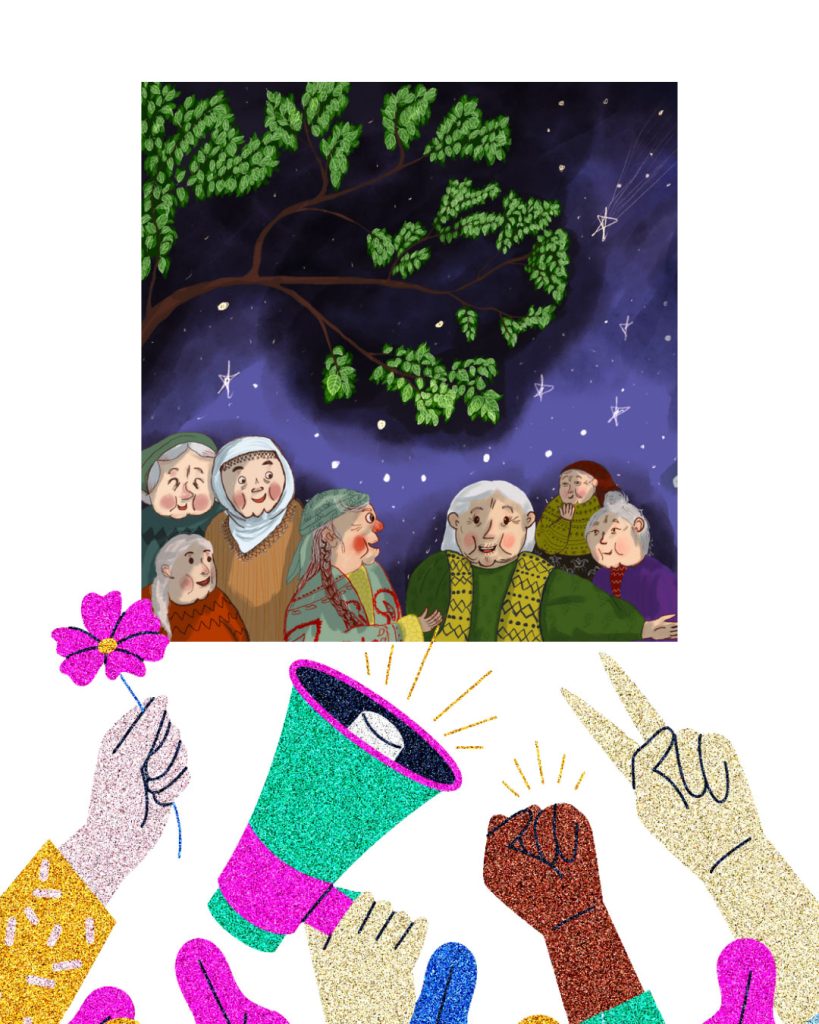
Don’t Tell Me Tales (Ji Min Re Çîrokan Ne Bêje)
Date: 2025
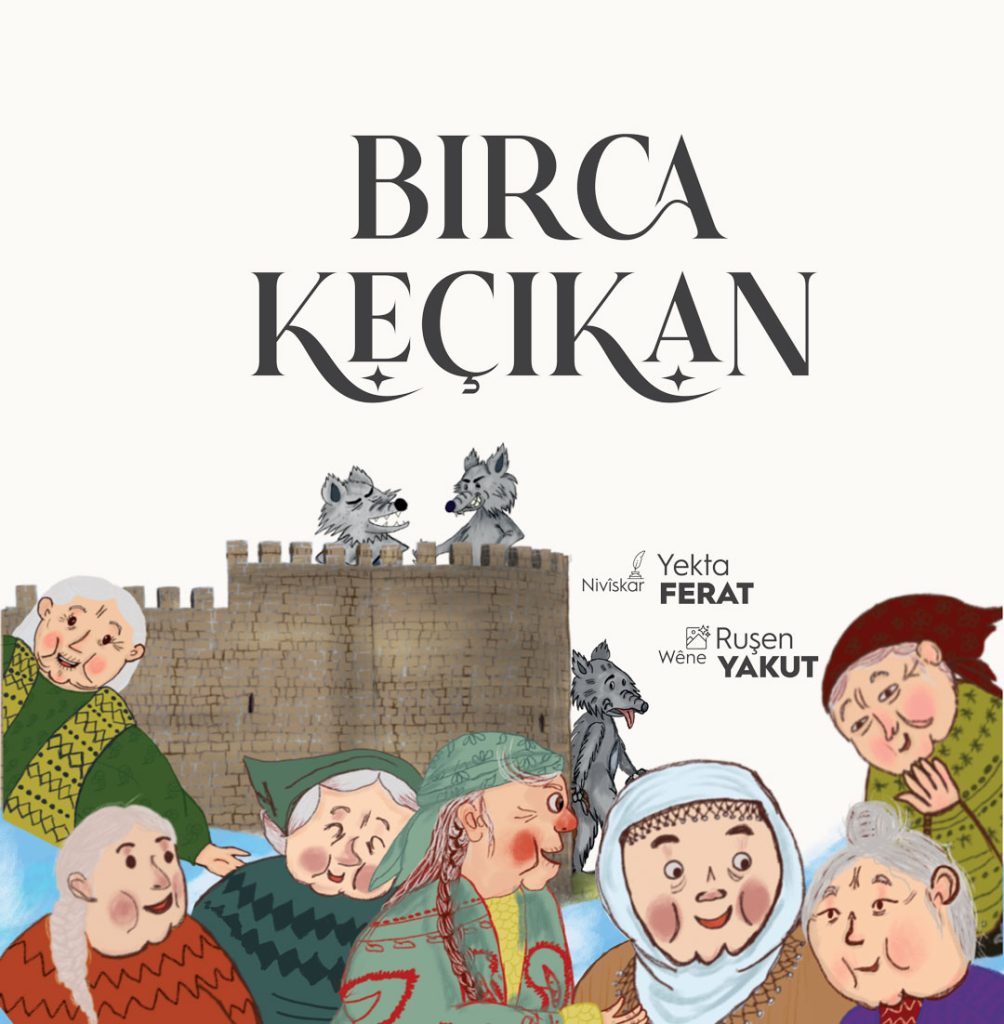
Project Team: Eylem Kaya (Storyteller), Gözde Gurbet Engin (Project Coordinator), Murat Aygün (Translator), Ruşen Yakut (Illustrator, Storyteller), Yekta Ferat (Şeyho Filik) (Writer)
Brief Summary
Don’t Tell Me Tales (Ji Min Re Çîrokan Ne Bêje) is a memory project that seeks to construct a restorative narrative grounded in place and language at a time when Diyarbakır’s multicultural memory is often recalled by children through images of violence and conflict.
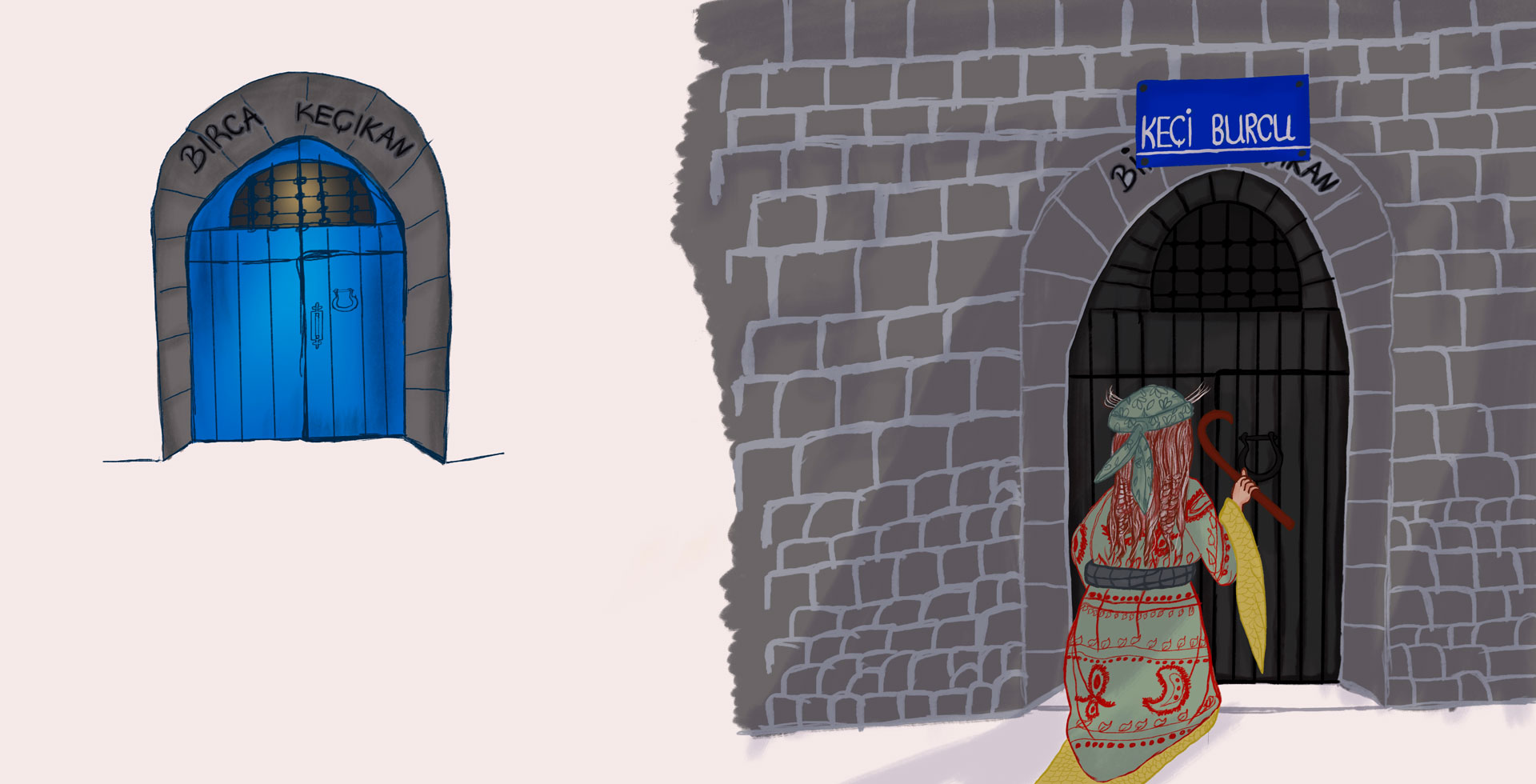
At the center of the project which is carried out by Ruşen Yakut, Gözde Gurbet Engin, and Eylem Kaya is an oral account of a domed structure located beneath Keçiburcu in Surici which currently used as a storage space. Within the scope of the project, this narrative was transformed into a children’s tale in Kurmancî and Zazakî and adapted into a multilingual oral storytelling format. The tale was later illustrated, published as a book, and shared with children.
Safe storytelling sessions were organized with children, books were distributed, and the project became an inspiring example for local institutions. By the end of the project, a visible transformation emerged in children’s perception of the space. Then, the tale replaced conflict-centered memory with an image of multicultural coexistence. The project is considered a pilot implementation for a sustainable memory program that can be adapted to other sites in the future.
Why Is It Important?
Due to the trauma of conflict period, Diyarbakır’s multicultural social fabric has largely been remembered by children through images of fear, prohibition, and destruction. This project brought together space, language, and storytelling to offer children a safe reframing of damaged memory.
The narration of the tale in Kurmancî and Zazakî generated a strong sense of recognition and belonging in a context where mother tongues are often rendered invisible. Enabling children to reimagine a space associated with conflict as a place of play, life, and culture produced a transformation fully aligned with restorative justice principles of recognition, visibility, safe relational connection, and emotional regulation.
The project provided a micro-scale healing memory practice for both children and parents regarding traumatic spaces, while establishing a sustainable model that can be adapted to different locations.
What Was Done?
Collection of the Oral Narrative:
A local oral account related to the domed structure beneath Keçiburcu was compiled from community members and memory archives and transformed into a children’s tale.
Story Creation:
The narrative was restructured in Kurmancî and Zazakî, simplified in accordance with child protection principles, and rendered safe through metaphorical language.
Illustration:
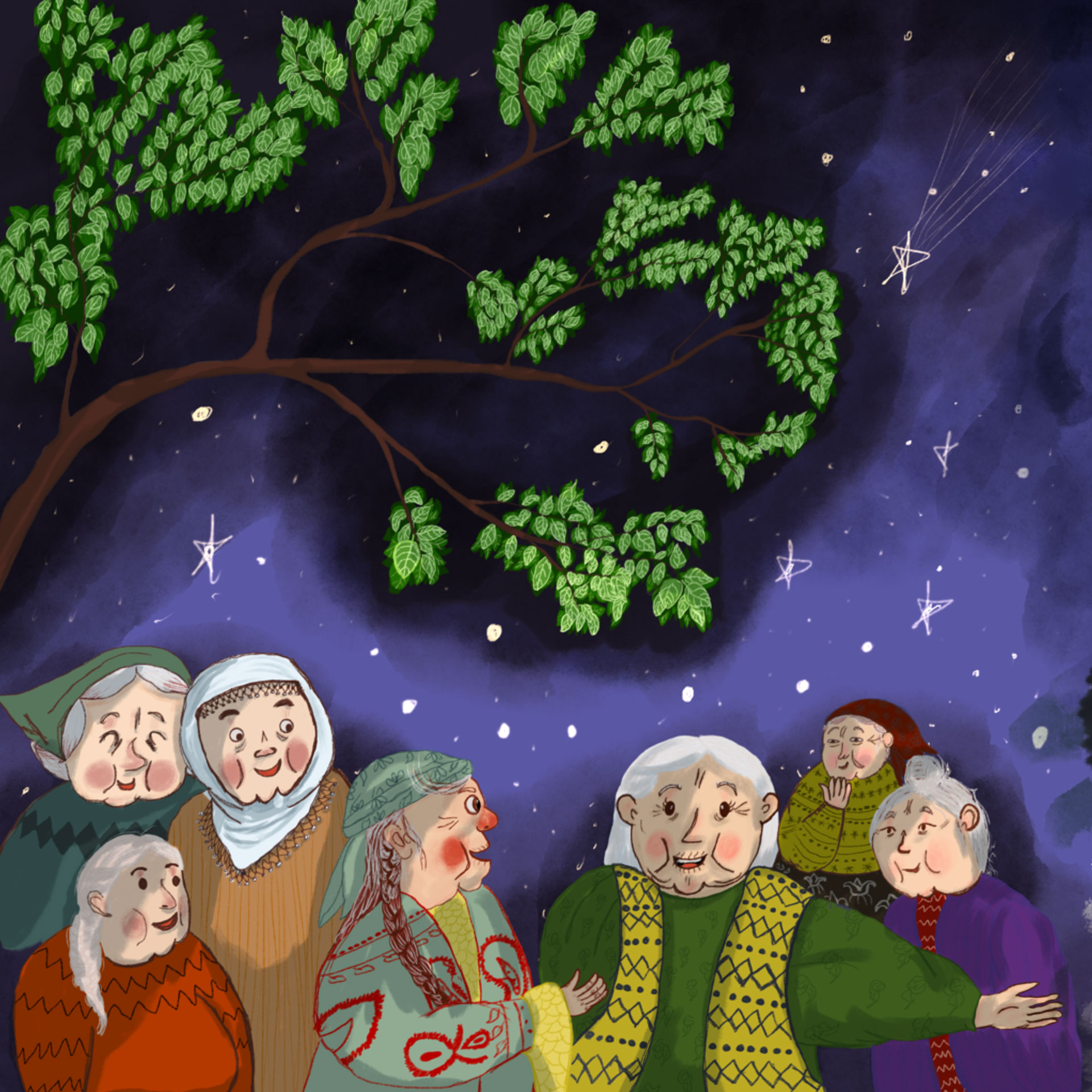
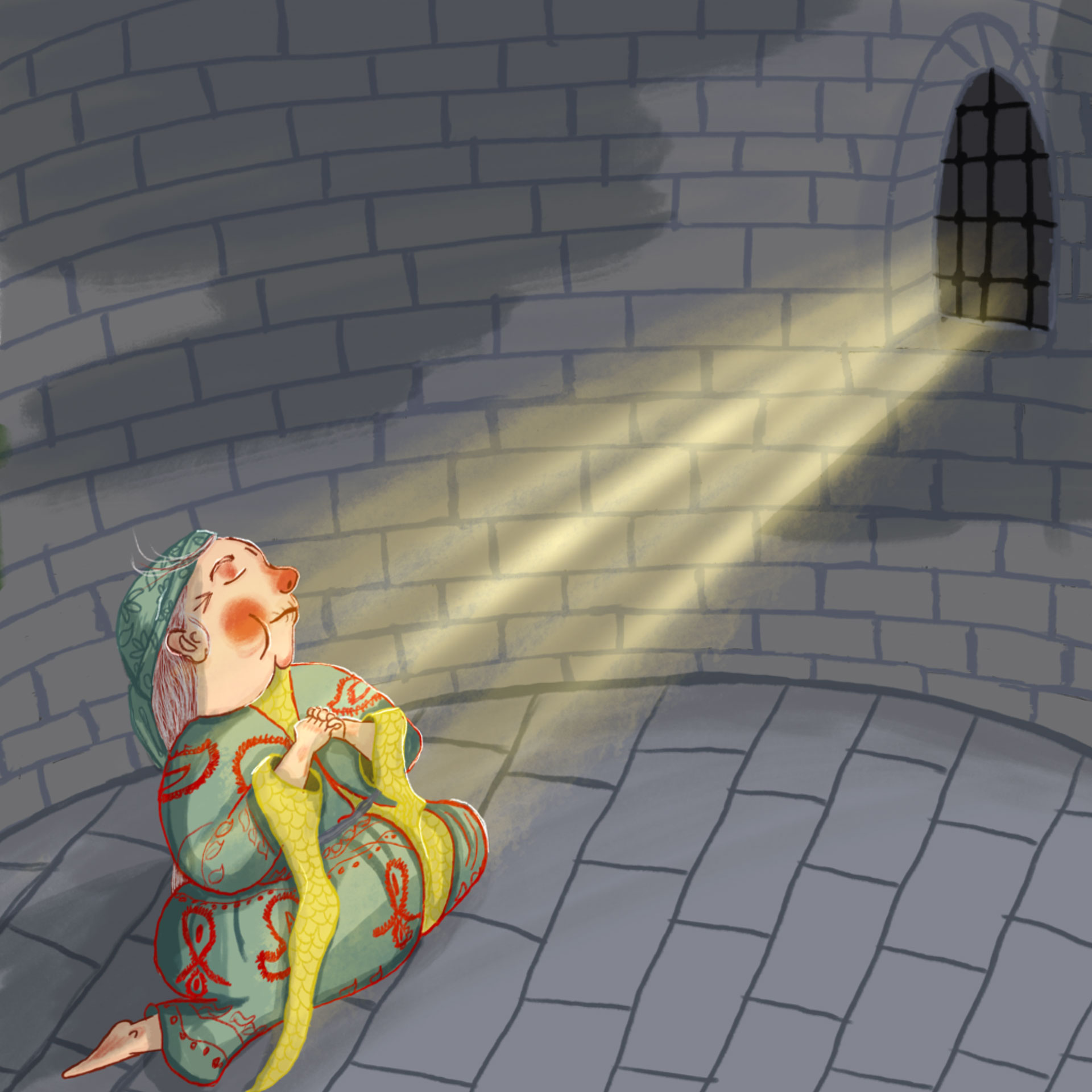
Twenty-four illustrations were produced using Procreate, employing warm color palettes and a soft aesthetic. Bilingual narration was used during storytelling sessions.
Book Design and Printing:
A bilingual (Kurmancî–Zazakî) book design was produced, and 340 copies were printed. The books were distributed to children, parents, and local civil society organizations.
Storytelling Event:
The storytelling sessions were held on 4 October 2025, following safe-space principles, reaching 37 children and 73 participants.
Dissemination and Impact:
The project was shared on social media and received requests from municipalities and civil society organizations to implement similar storytelling activities in other locations. Observations during the sessions indicated a visible improvement in children’s perception of the space. Multilingual storytelling enhanced feelings of belonging and visibility. The project is regarded as a pilot model for similar initiatives.
Visual / Multimedia Section
- Visuals from the storybook
- Photographs from the storytelling workshops with children