
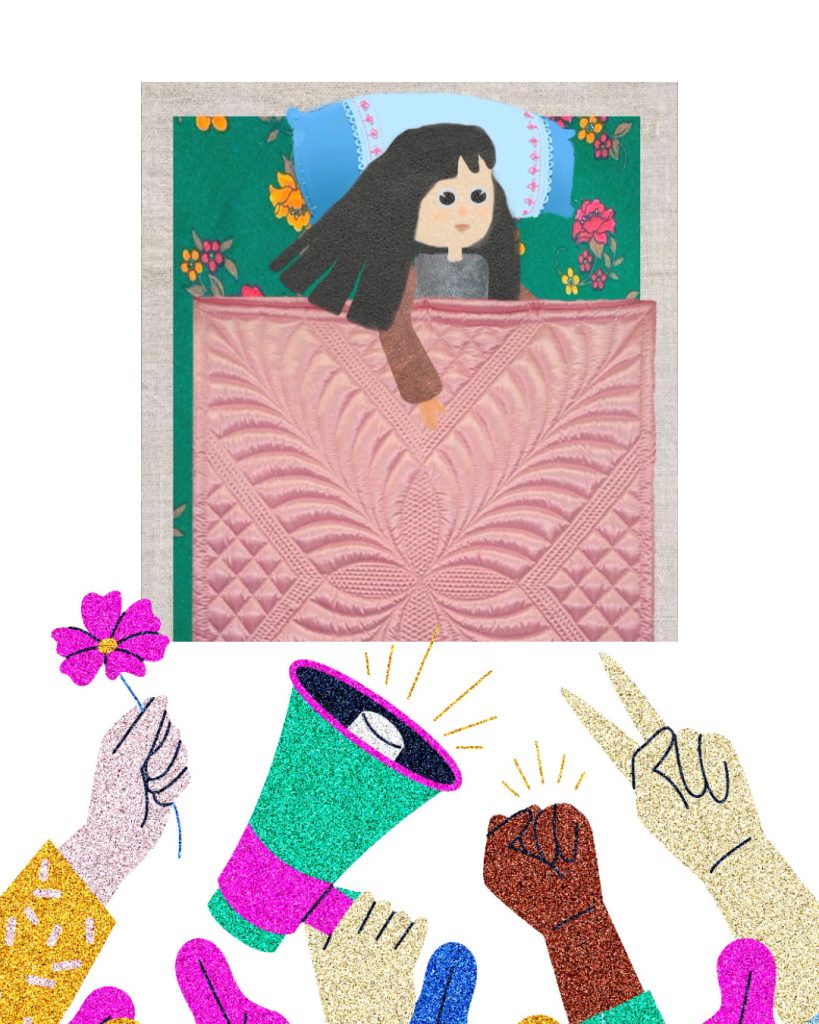
“They Should Not See, They Are Too Young”
Project Visual
Date: 2026
Location: Cizre, Şırnak
Project Team: Semiha Yıldız (Director / Animator), Sena Sevim (Character & Background Designer), Sevgi Ortaç (Consultant)
Brief Summary
Bila Ew Nebînin, Ew Biçûk In (They Should Not See, They Are Too Young) is a short animated film by Semiha Yıldız that portrays the inner world, memory, and healing process of a young girl in the aftermath of war.
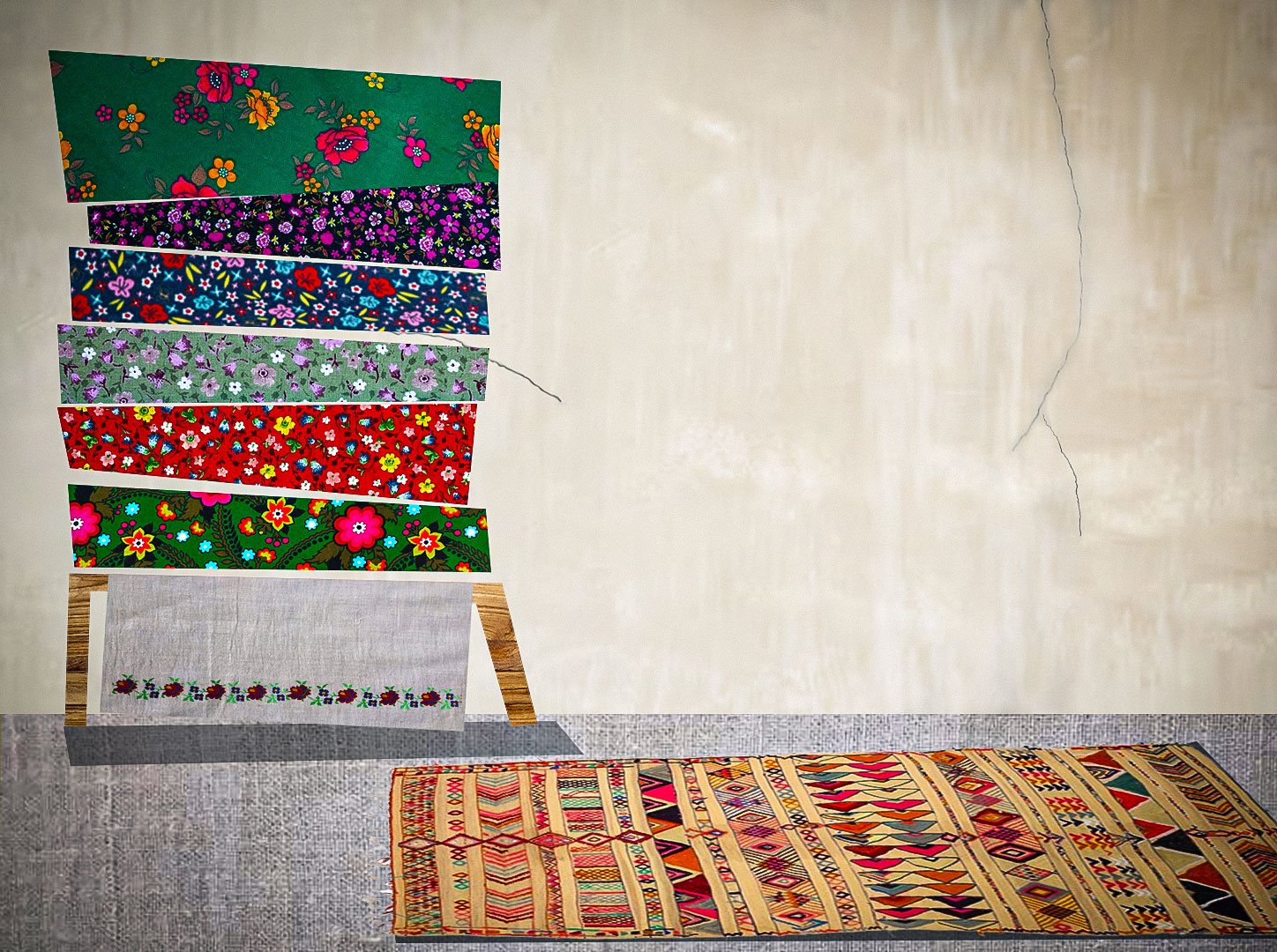
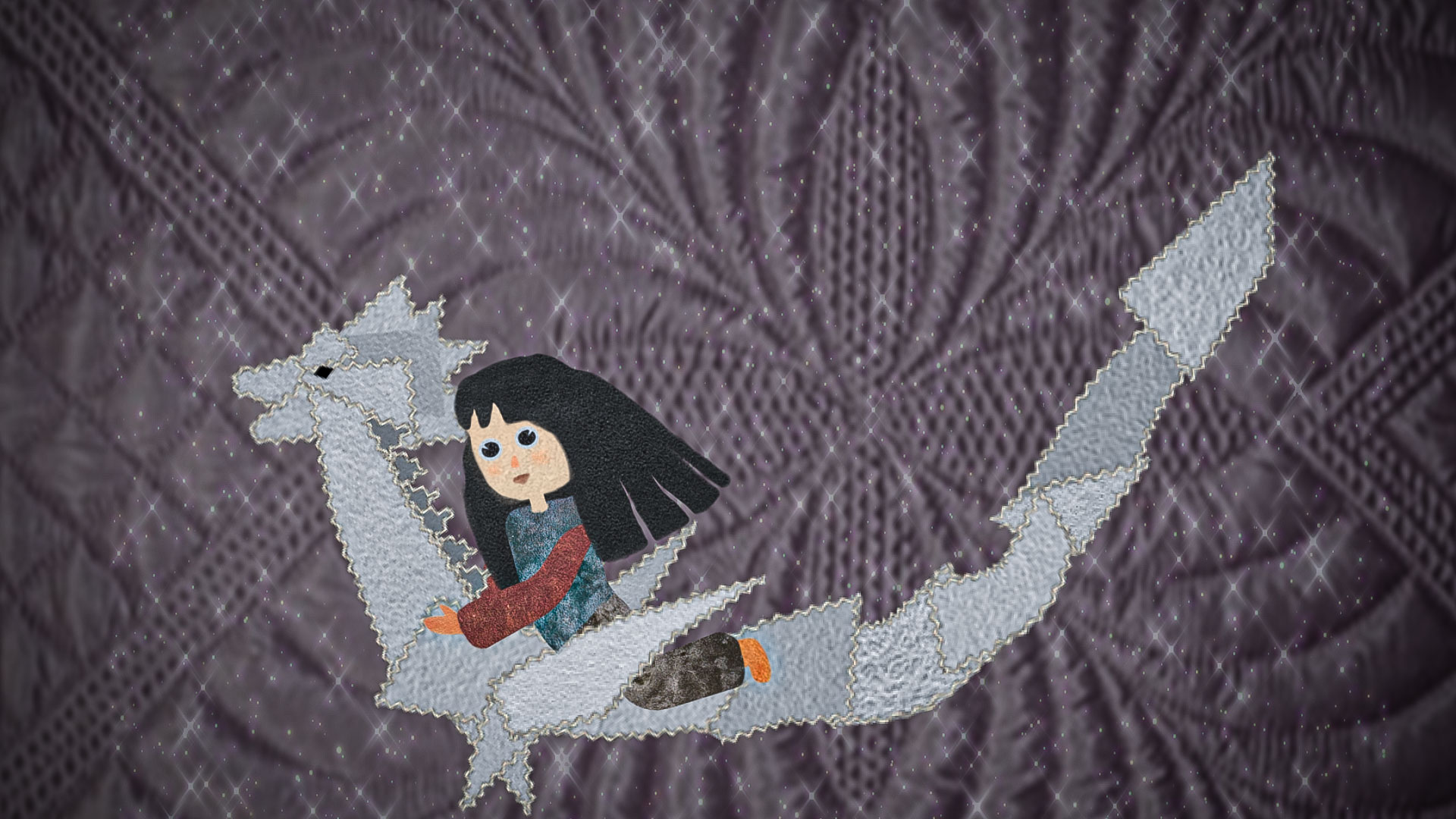
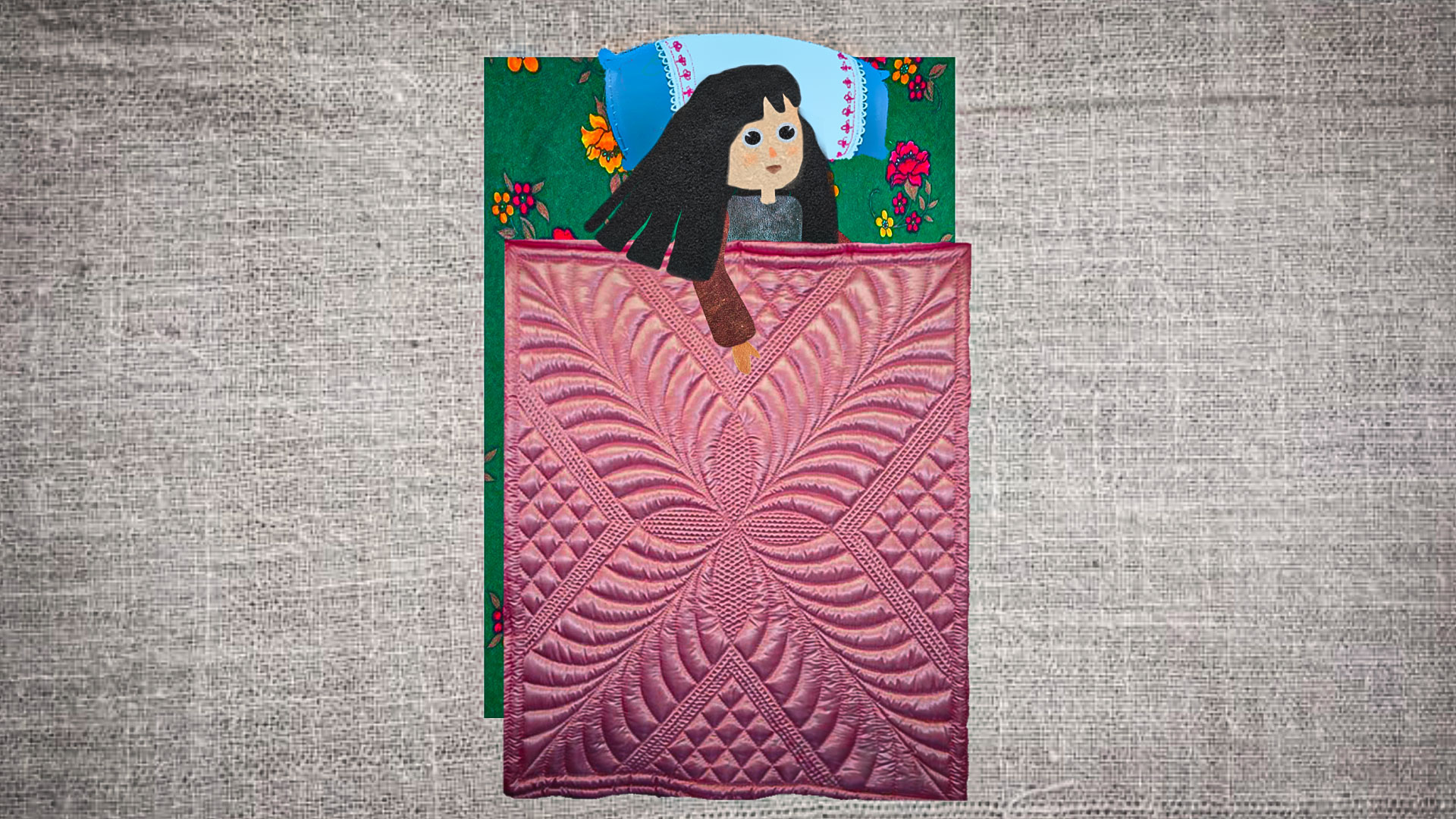
Through the child’s symbolic relationship with a wall marked by traces of conflict, the story engages both personal and collective memory. Rather than depicting violence directly, the film conveys the emotional imprint of trauma through dream imagery, cracked wall textures, colors, and symbolic elements.
During the production process, consultations were held with experts on secondary trauma, the indirect effects of war on children, and symbolic storytelling. The spatial design draws from the texture of Cizre and the director’s childhood memories, while character and scene designs translate emotional intensity into a powerful visual language.
The film is currently in post-production and, upon completion, aims to reach audiences through festival screenings, social media dissemination, and local community showings.
Why Is It Important?
This film is significant because it approaches war not as a “grand narrative,” but through the emotional worlds of those left behind particularly children.
Post-war narratives are often shaped around masculine heroism. In contrast, this project centers the emotions, fears, and healing efforts of children whose experiences remain largely invisible, making a silenced memory audible and visible.
The young girl’s relationship with the wall reflects collective trauma at an individual level. The wall, its bullet marks plastered over, symbolizes an attempt to erase and forget. In contrast, the child’s drawings, her touch upon the cracks, and the dream imagery represent an effort to transform the past, rework it, and give it meaning.
Rather than suppressing the past, the film seeks to engage with it from a safe distance. Instead of reproducing trauma, it carries it into the transformative space of art. By making the silenced worlds of children in the aftermath of war audible and visible, the film becomes not only a cinematic work, but also a narrative grounded in a restorative justice perspective.
What Was Done?
Production of the Animated Short Film:
The story was developed around the dreams of a young girl in the aftermath of war and her symbolic relationship with a damaged wall.
Script Development:
The director strengthened the screenplay through feedback from consultant Sevgi Ortaç and the Truth Justice Memory Center’s Justice Heals program, incorporating perspectives from child psychology and secondary trauma.
Visual and Spatial Design:
Textures drawn from Cizre including old stone walls, plaster surfaces, color palettes, and local architectural details were incorporated into the spatial design. Symbolic elements such as dream sequences and the Dragons of Cizre were further developed. Rather than using flat digital colors, the character designs were created with textured, tactile surfaces to evoke a sense of material depth.
Technical Production:
The animation was produced using Toon Boom Harmony, Photoshop, After Effects, and Premiere Pro. A cut-out animation technique was used, with rigged characters to enable movement.
Child Protection Principles:
Violence and destruction were not depicted directly; instead, emotions, images, and symbols were used to convey trauma. Animation was consciously employed as a protective medium to avoid reproducing the trauma of real individuals.
Visual / Multimedia Section
- Stills from the animated film