
Enforced Disappearances
in Turkey
Facts
What Happened?
Particularly during the 1990s, in provinces under a State of Emergency (OHAL), large numbers of people were taken into custody by state officials — from their homes, their workplaces, or public spaces, in front of witnesses. Their whereabouts were then denied; families were told “we don’t have them” or “they joined the PKK.”
Context
Enforced disappearances in Turkey began with the repression of people linked to armed left-wing organizations following the 1980 coup, became a systematic practice targeting Kurdish people from 1984 onwards, and reached their peak in the 1990s as they became intertwined with state policy. Together with the burning of villages, mass forced displacement, and extrajudicial killings, enforced disappearances formed one of the defining — and mutually reinforcing — patterns of violation during this period.
Who was targeted?
Youth leaders, trade unionists, and activists alleged to be linked to armed left-wing organizations; opinion leaders connected to the Kurdish political movement, including executives of the Human Rights Association (İHD), leading figures of the People’s Labour Party (HEP), and staff of the newspaper Özgür Gündem; and a great many ordinary Kurdish citizens living in the State of Emergency region who had no such connections.
Who Is Responsible?
The primary direct perpetrators were JİTEM (the Gendarmerie Intelligence and Counter-Terrorism unit) and the military. But these violations were not isolated acts — they were part of a security strategy built around denying the PKK a foothold in the region. The special warfare structures of the period, the village guard system, and the nexus between the state, organized crime, and political actors created a broad zone of impunity.
Toward a solution Solution
When the truth about the forcibly disappeared is not disclosed, neither mourning nor closure is possible. For this reason, accountability cannot be limited to criminal justice alone; access to truth, recognition of the relatives of the disappeared, and the preservation of collective memory are equally essential.
Enforced Disappearances in Turkey
This database was established by Hakikat Adalet Hafıza Merkezi (Truth Justice Memory Center) to document all citizens forcibly disappeared in Turkey since the military coup of 12 September 1980; to expose the structure of enforced disappearance as a crime, its patterns, and the mechanisms of impunity; and to record the stories of the disappeared alongside the testimonies of their relatives.
This database was established by Hakikat Adalet Hafıza Merkezi (Truth Justice Memory Center) to document all citizens forcibly disappeared in Turkey since the military coup of 12 September 1980; to expose the structure of enforced disappearance as a crime, its patterns, and the mechanisms of impunity; and to record the stories of the disappeared alongside the testimonies of their relatives.
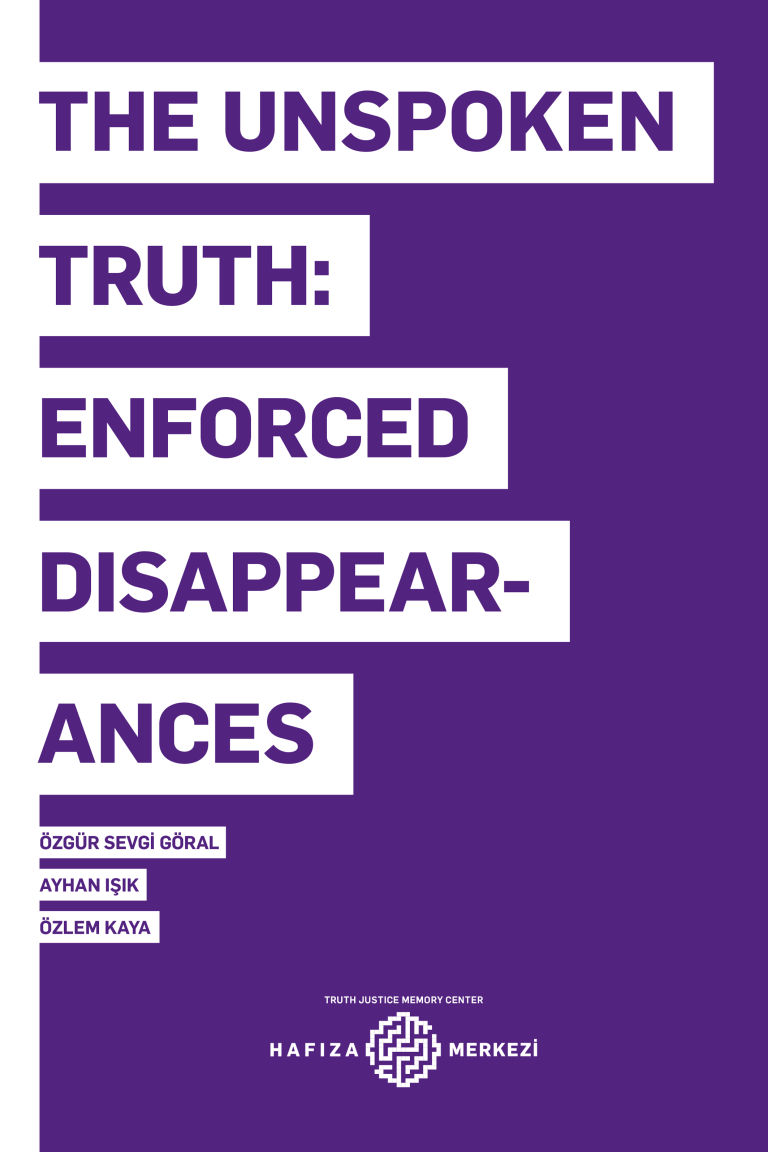
- Yazar: Özgür Sevgi Göral, Ayhan Işık, Özlem Kaya
This report is based on field research we conducted primarily in the districts of Cizre, İdil, and Silopi in the Şırnak…
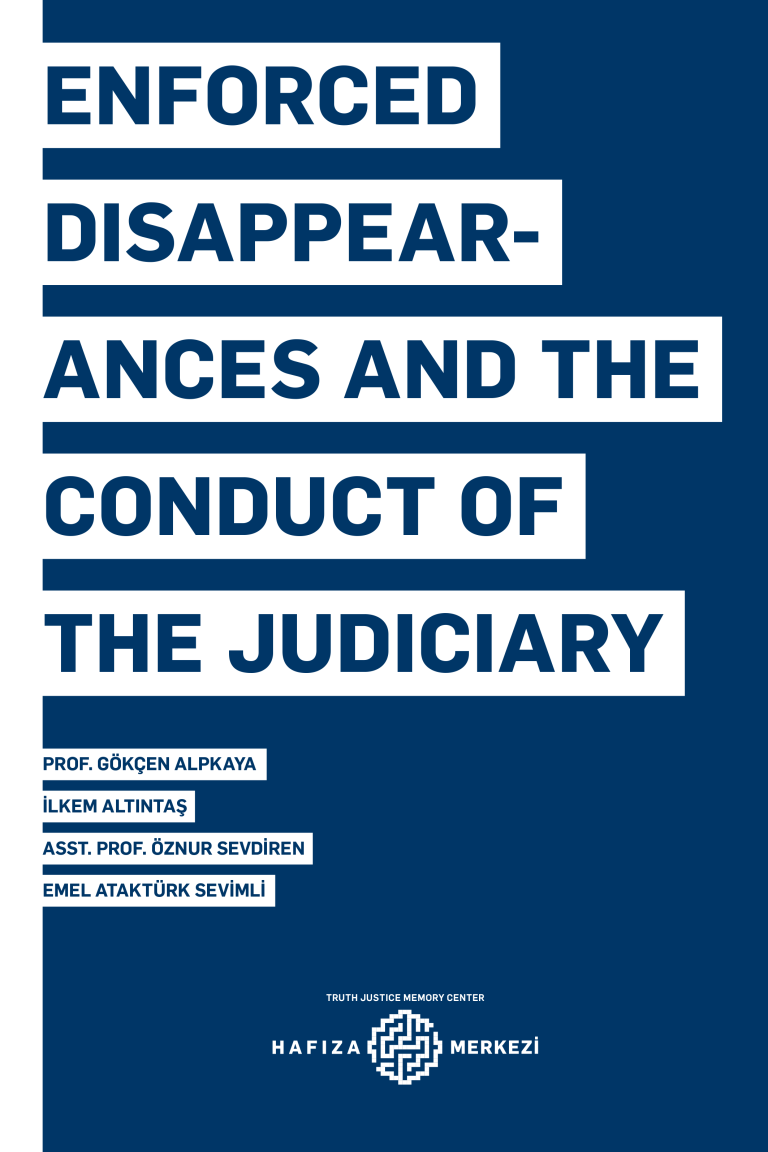
- Yazar: Gökçen Alpkaya, İlkem Altıntaş, Öznur Sevdiren, Emel Ataktürk Sevimli
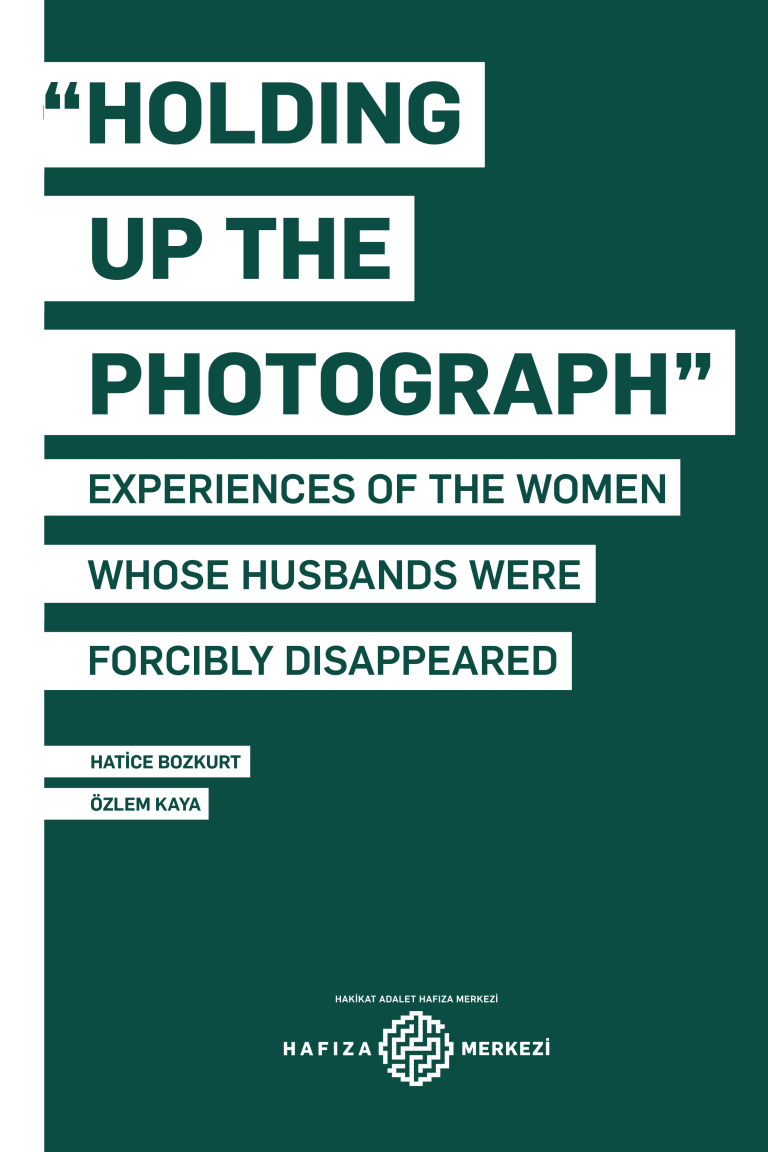
- Yazar: Özlem Kaya, Hatice Bozkurt
This report is based on our field research that focuses on experiences of the wives of the forcibly disappeared people. Our…