Violations of the Right to Life of Children and Young People in Kurdish Provinces (2000–2015)
The Database on Violations of the Right to Life of Children and Young People in Kurdish Provinces (2000–2015) was created by Hafıza Merkezi to document right-to-life violations that occurred between 2000 and 2015 in eastern and southeastern Turkey as a result of the use of lethal force by security forces and the state’s failure to fulfill its duty to protect life.
Focusing particularly on the deaths of children and young people in the context of the Kurdish issue, this study aims to make visible the structure and patterns of these violations, expose impunity practices that emerged in judicial processes, and record the stories of victims.
What Does This Database Document?
The database documents violations of the right to life of children and young people that occurred between 2000 and 2015 in Kurdish provinces in eastern and southeastern Turkey, in the context of the Kurdish issue, as a result of the use of lethal force by security forces.
Which Period Was Examined?
1 January 2000 and 22 July 2015 was examined. This timeframe begins with the democratization reforms associated with the European Union accession process and ends with the collapse of the “2013–2015 Peace Process.”
Which Regions Did the Research Focus On?
The research focused on the provinces where right-to-life violations in the context of the Kurdish issue were most concentrated: Adıyaman, Ağrı, Batman, Bingöl, Bitlis, Diyarbakır, Elazığ, Erzincan, Erzurum, Gaziantep, Hakkari, Iğdır, Kars, Malatya, Mardin, Muş, Siirt, Şanlıurfa, Şırnak, Tunceli, and Van.
This geographical limitation is based on human rights reports indicating that violations were concentrated in these provinces.
Which Types of Right-to-Life Violations Were Included
The legal analysis was conducted on the basis of Article 2 of the European Convention on Human Rights (ECHR), which regulates the right to life, and the case law of the European Court of Human Rights (ECtHR). Five categories of violations were examined:
- Deaths occurring during security operations
- Deaths occurring during assemblies and demonstrations
- Deaths following allegations of “failure to heed a warning to stop”
- Deaths caused by landmines or unexploded military ordnance
- Deaths caused by armored vehicles
How Were “Child” and “Youth” Defined?
For the concept of “child,” the definition set forth in the UN Convention on the Rights of the Child was adopted: anyone under the age of 18.
Since there is no universally agreed definition of “youth,” this study defined youth as individuals aged 19–35, taking into account the regional social context.
Who Were the Perpetrators Included Within the Scope?
The research focused on killings in which security forces were identified as perpetrators or alleged perpetrators. Among security forces, the scope was limited to cases involving soldiers, police officers, and gendarmerie personnel.
This limitation is based on the fact that the legal authority to use force is granted to these institutions, and that right-to-life violations most frequently occurred in areas under their responsibility. For example, the “temporary village guard” system was excluded from this study and left as a separate subject of research due to its distinct social impact.
What Sources Were Used to Create the Database?
The database was primarily compiled using:
- Legal documents and case files
- Civil society reports
- Media reports
- Field research conducted by Hafıza Merkezi
In cases where names or ages differed across sources, information obtained from legal documents and field research was taken as the primary reference.
How Were the Data Collected and Verified?
The first step in building the database involved reviewing annual human rights reports published by the Human Rights Association (İHD) and the Human Rights Foundation of Turkey (TİHV) to create an initial list of cases.
Subsequently, legal field research was conducted on the incidents identified in these reports, and relevant case files and official documents were obtained. Concurrent sociological fieldwork involved interviews with victims’ relatives and witnesses.
The information gathered was cross-checked through media monitoring and by examining decisions of the Constitutional Court of Turkey (AYM) and the European Court of Human Rights (ECtHR). Data were verified through comparison across multiple independent sources.
How Many Cases Are Documented in the Database?
As a result of this process, it was confirmed that 187 individuals were subjected to violations of the right to life due to the use of lethal force by security forces or the state’s failure to fulfill its duty to protect life.
However, this number reflects only those violations that could be verified through accessible documentation, field research, and media monitoring within the provinces covered by the study. It is widely known that the actual number of right-to-life violations affecting children and young people between 2000 and 2015 both in these provinces and across Turkey more broadly is significantly higher.
We therefore emphasize that the figures presented in the database reflect a limited picture.
An Open and Evolving Database
This study constitutes Hafıza Merkezi’s first comprehensive database on right-to-life violations that occurred during the 2000s.
Great care and effort were invested to ensure that the information shared is accurate and reliable. This effort is considered part of the respect owed to the children and young people who lost their lives. Nevertheless, in work of this nature, the possibility of incomplete or inaccurate information always exists.
Therefore, feedback is of great importance for correcting potential errors and incorporating new information. We invite those who wish to provide corrections, contributions, or additional information regarding the database to contact us.
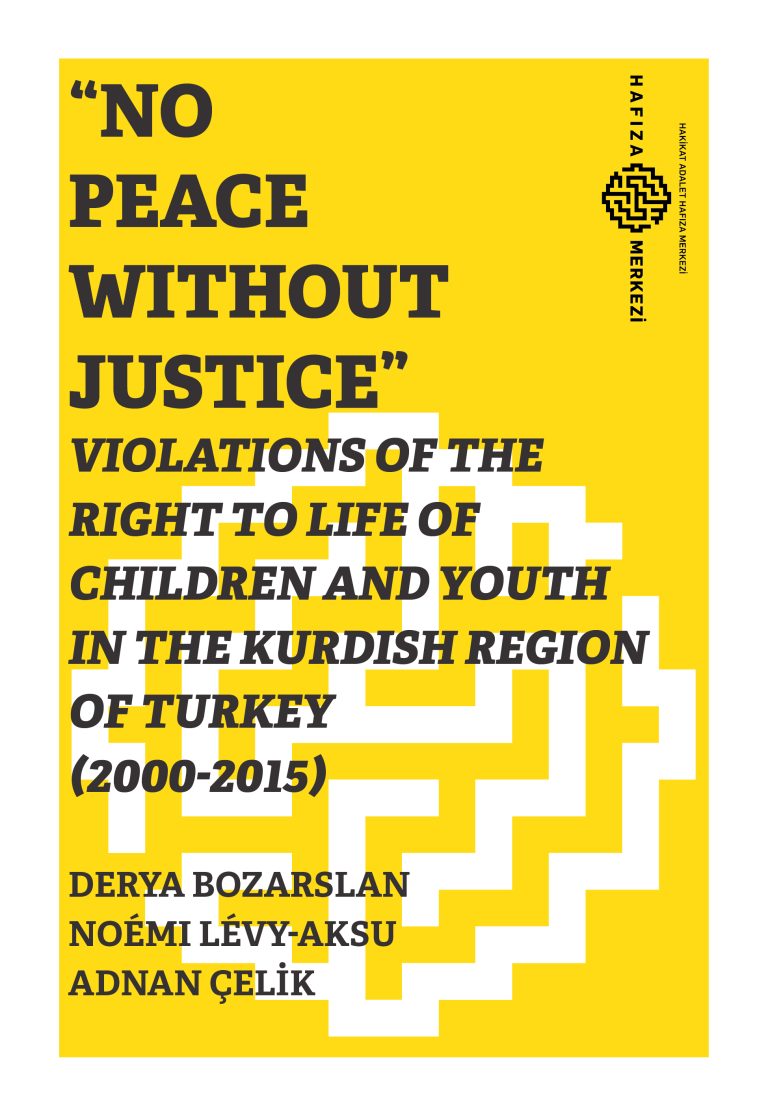
- Yazar: Derya Bozarslan, Noémi Lévy-Aksu, Adnan Çelik
This report is the outcome of Hafıza Merkezi’s three-year field research project, Justice Heals. Employing an interdisciplinary approach, the research examines…
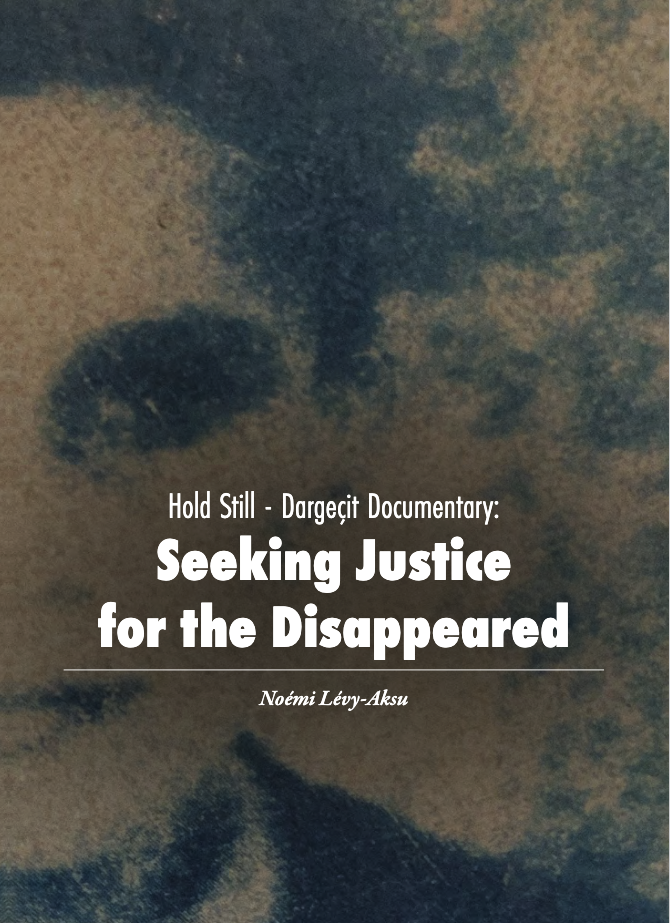
- Yazar: Noémi Lévy-Aksu
The idea for the Hold Still documentary emerged during a meeting held in Istanbul in 2017 as part of the Truth Justice…